WHAT HIRING MANAGERS ACTUALLY LOOK FOR BEFORE THEY SCHEDULE AN INTERVIEW?
If you understand what hiring managers are actually looking for before they schedule an interview, you'll stop wasting time applying to everything and start positioning yourself for opportunities that truly fit your experience.
SophiaTheDigitalPro
7/26/20266 min read


Want the PDF Version instead? ☝🏾Click Here to download your copy!


Landing an interview isn't just about having a polished resume. Every day, qualified professionals submit hundreds of applications only to wonder why they never receive a call back. They update their resumes, rewrite their cover letters, and apply to even more jobs, hoping something will finally change. The truth is, most hiring managers aren't looking for the "perfect" candidate. They're looking for the person who appears most capable of solving the specific problem they need solved today.
As someone who has spent years on both sides of the hiring process—reviewing applications, interviewing candidates, coaching job seekers, and helping professionals land new opportunities—I can tell you this: getting an interview starts long before you ever meet a hiring manager. It starts with the story your application tells. If you understand what hiring managers are actually looking for before they schedule an interview, you'll stop wasting time applying to everything and start positioning yourself for opportunities that truly fit your experience.
1. Relevant Experience—Not Just Years of Experience
One of the biggest misconceptions in today's job market is that more years automatically make someone a stronger candidate. That's simply not true. Hiring managers aren't counting years nearly as much as they're looking for relevance.
They're asking questions like:
Have you solved problems like ours before?
Can you perform the responsibilities listed in this role?
Will you need extensive training, or can you contribute quickly?
Someone with four years of highly relevant experience may receive an interview before someone with fifteen years of unrelated experience.
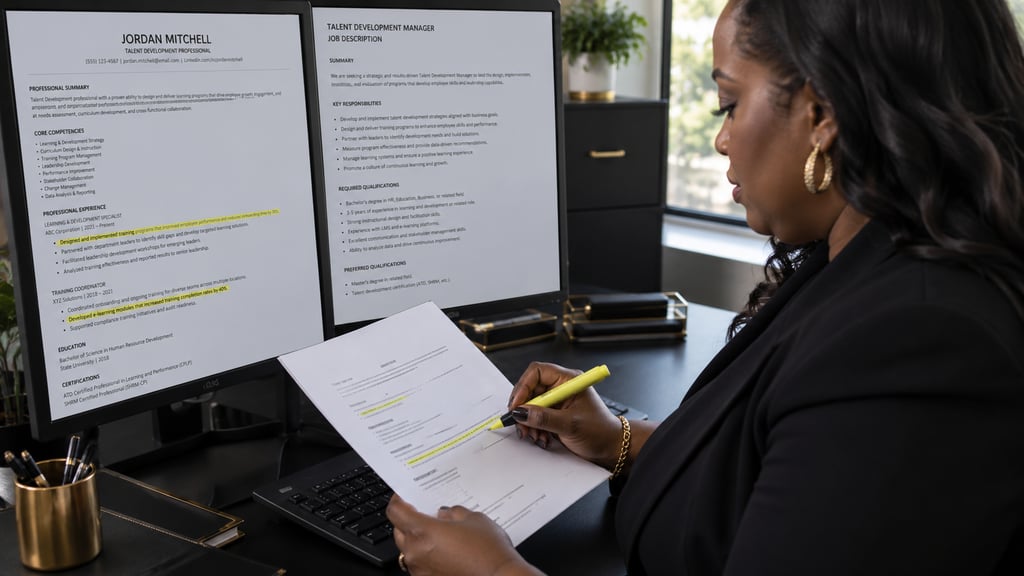
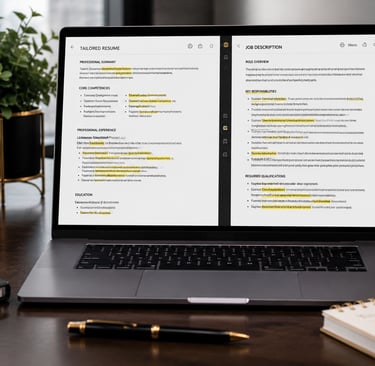
This is why reading the job description carefully matters. Your application should clearly connect your experience to what the employer actually needs—not everything you've ever done.
2. A Resume That Matches the Position
Generic resumes are easy to spot.
If your resume could be sent to 100 different companies without changing a single word, there's a good chance it isn't speaking directly to any of them.
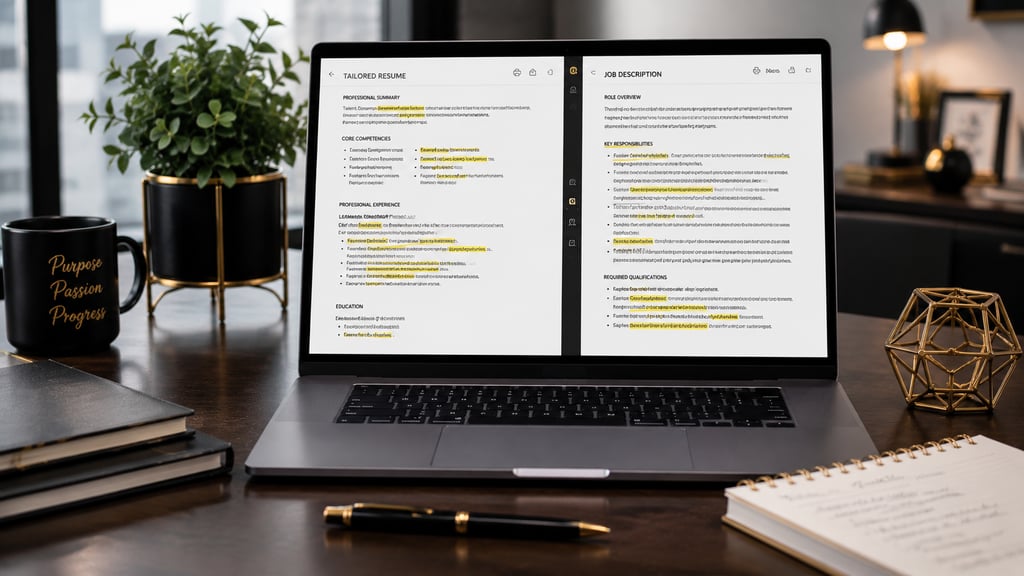
Hiring managers want to see alignment. That doesn't mean rewriting your entire resume every time you apply.
It means strategically positioning your skills, accomplishments, and experience so they reflect what the employer is seeking.
This is where many job seekers struggle. Instead of applying with intention, they apply with hope.
Hope isn't a strategy. A strategic application communicates, "Here's why I'm a strong fit for this position."
3. Proof That You Deliver Results
Responsibilities tell hiring managers what you were assigned to do.
Results tell them what you actually accomplished.
There's a big difference between saying:
Managed a customer service team.
And saying: Led a customer service team that improved satisfaction scores by 18% over twelve months.
Whenever possible, include measurable achievements such as:
Revenue generated
Cost savings
Customer satisfaction improvements
Training completion rates
Productivity gains
Project outcomes
Awards and recognition
Specific accomplishments help hiring managers visualize the value you could bring to their organization.


4. A Career Story That Makes Sense
Many professionals worry about employment gaps or short-term positions.
While these situations can raise questions, they don't automatically eliminate you from consideration.
Hiring managers simply want your career path to make sense.
Can they understand your progression?
Does your experience build toward the position you're applying for?
Does your resume tell a clear story?
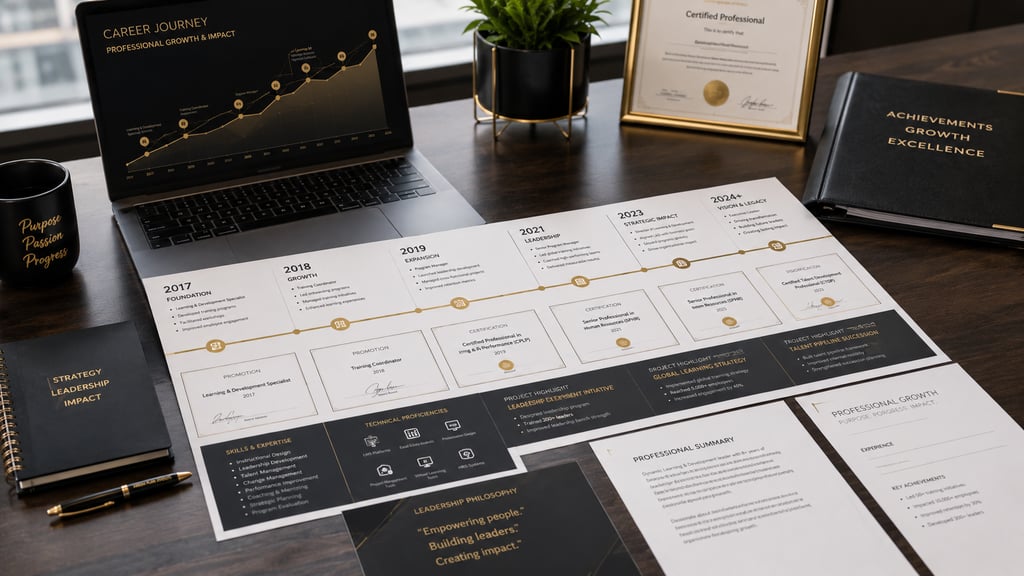
Your resume shouldn't feel like a random collection of jobs.
It should demonstrate growth, transferable skills, and increasing responsibility whenever possible.
A clear story builds confidence.
Confusing resumes create uncertainty.
5. Strong Communication Skills
Your resume is often your first writing sample.
If it's cluttered, difficult to read, or filled with grammatical errors, hiring managers may assume your communication style will be similar on the job.
Strong communication isn't about using complicated words.
It's about clarity.
Your resume should be:
Easy to scan
Well organized
Consistent in formatting
Free of unnecessary graphics
Focused on the information that matters most
Remember, recruiters and hiring managers often spend only a short amount of time reviewing an application during the first screening. Make their job easy.


6. Evidence That You Actually Want This Job
One of the fastest ways to blend into the crowd is by submitting the exact same application everywhere.
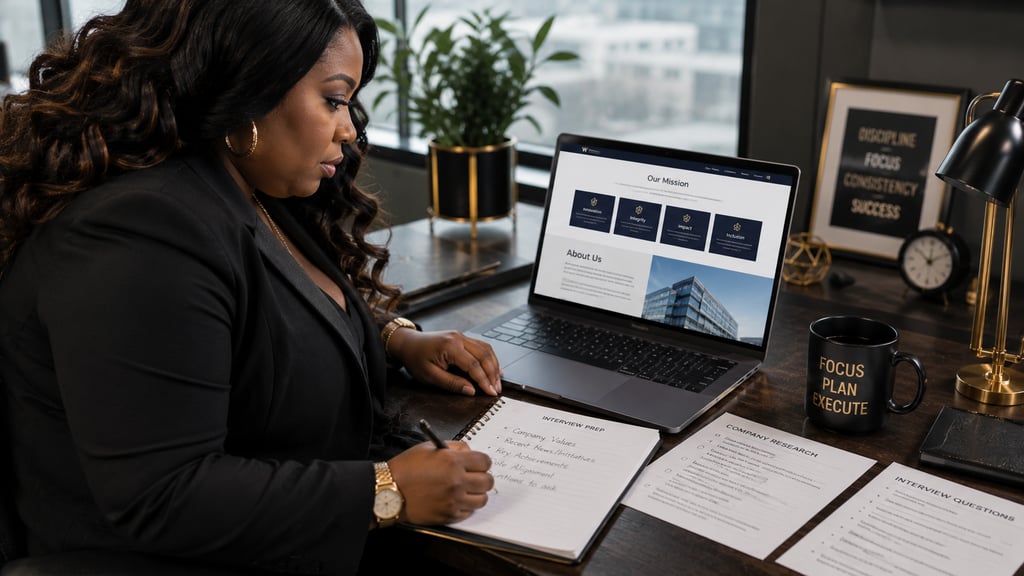
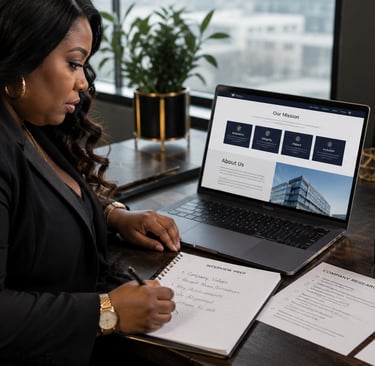
Hiring managers can often tell when someone has taken time to understand the role and the organization.
Candidates who stand out demonstrate that they understand:
The company's mission
The responsibilities of the role
The skills required
The industry they want to work in
This doesn't require writing a novel in your cover letter.
It requires intentionality.
Applying strategically sends a very different message than simply clicking "Easy Apply" fifty times in one evening.
7. A Professional Online Presence
Today, your resume isn't the only thing representing you.
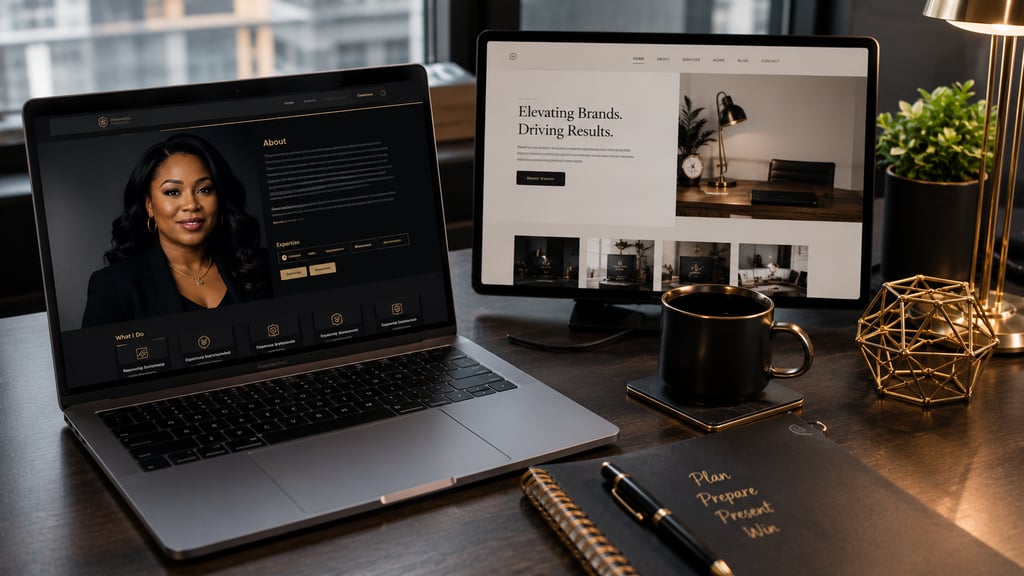
Many hiring managers will also review your LinkedIn profile or professional portfolio before deciding whether to schedule an interview.
Ask yourself:
Does my LinkedIn profile support what's on my resume?
Are my job titles consistent?
Does my headline clearly communicate what I do?
Have I highlighted meaningful accomplishments?
Is my profile photo professional?
Your online presence should reinforce your credibility—not create additional questions.

8. Confidence Before the Interview Even Begins
Most people believe confidence starts when they walk into the interview room.
It doesn't.
Confidence starts with preparation.
It starts with applying for positions that genuinely align with your skills.
It starts with understanding your value.
It starts with presenting yourself intentionally.
Every document you submit communicates something about you before anyone schedules a conversation.
Your resume.
Your LinkedIn profile.
Your cover letter.
Your portfolio.
Your email communication.
Everything contributes to the first impression.


Common Mistakes That Prevent Interviews
Even highly qualified candidates can unintentionally reduce their chances by making avoidable mistakes.
Some of the most common include:
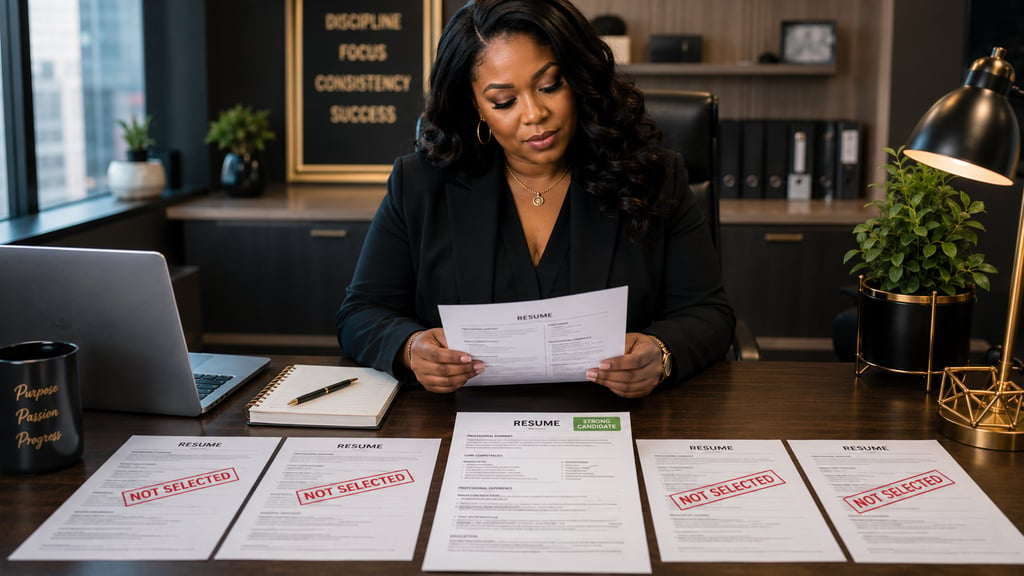
Applying to every job instead of the right jobs.
Using the same resume for every application.
Listing responsibilities without measurable results.
Ignoring keywords from the job description.
Applying for positions that don't match their current qualifications.
Having an outdated or incomplete LinkedIn profile.
Focusing on quantity instead of strategy.
If any of these sound familiar, don't be discouraged. The good news is that every one of these issues can be improved with the right approach.
Final Thoughts
The interview process doesn't begin when you receive an invitation to meet with a hiring manager.
It begins the moment someone opens your application.
Every accomplishment, every bullet point, every decision you make about how you present yourself either builds confidence or creates doubt.
Your goal isn't to become the candidate who submits the most applications.
Your goal is to become the candidate who gives hiring managers a clear reason to schedule the interview.
When you shift your mindset from mass applying to intentional positioning, you stop competing on volume and start competing on value.
That's where meaningful career growth begins.
Before spending another hour sending applications into the void, take a moment to evaluate where you are in your job search.
Ask yourself:
Am I targeting positions that truly match my experience?
Does my resume clearly demonstrate my value?
Have I positioned myself as the solution to an employer's problem?
Am I applying with a strategy—or simply hoping something sticks?
If you're unsure, don't guess.
Start by taking the CEO Application Score™ assessment. It will help you identify where you currently stand and highlight the areas that need attention before you continue your job search.
Once you're ready, the CEO SMART APPLY METHOD™ will show you how to stop mass applying and begin applying with intention. Instead of chasing every opportunity, you'll learn how to identify stronger job matches, position your experience more effectively, and create applications that tell a compelling story before the interview ever begins.
Because applying to more jobs isn't always the answer.
Applying to the right jobs—with the right strategy—is.
Before You Submit Another Application


Let's Connect
Get Your Free CEO Application Score™
1-(773) 234-3966
Terms and Conditions l Privacy Policy l Refund Policy l © 2026. SophiaTheDigitalPro is a registered DBA of SophiaTheDigitalPro Media Group LLC. All rights reserved.
2501 CHATHAM RD STE N
SPRINGFIELD, IL 62704
QUICK LINKS
Take the free 3-minute assessment — 15 quick questions that uncover exactly where your job search is breaking down and what to fix first. Powered by the CEO Smart Apply Method™.